
Define the Load
Start with the material or component that will be moved. Provide the maximum load weight, overall dimensions and available lifting points. Explain whether the load is a machine, fabricated part, mould, steel coil or another item. Photographs and drawings help the project team understand the shape of the load and the intended lifting attachment. A clear load description is the starting point for reviewing an equipment configuration.
Measure the Working Area
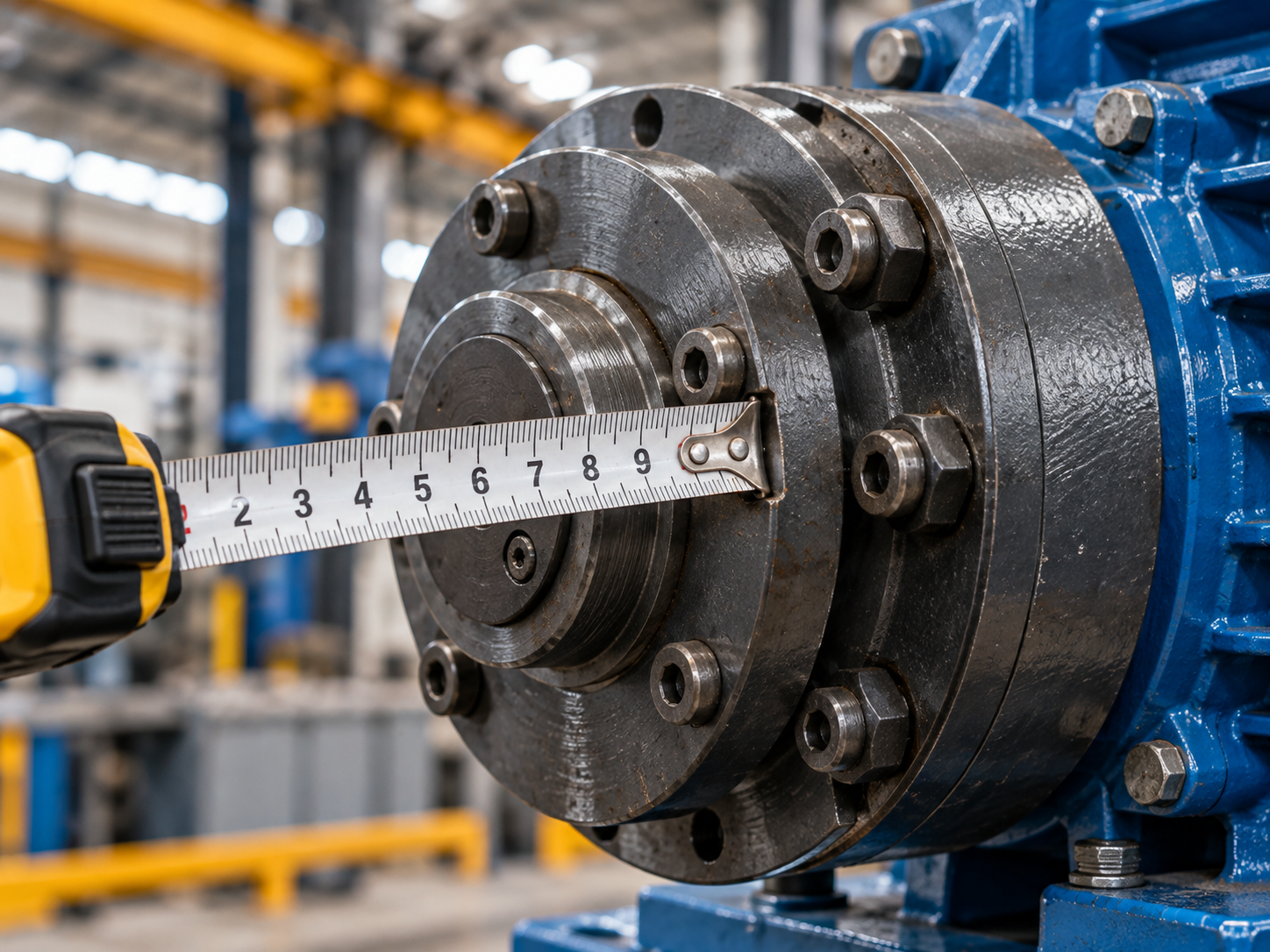
Share a workshop plan showing the building span, runway arrangement and equipment travel area. Identify the points where the load is picked up and placed. Include the required lifting height and available headroom. These are different measurements, so label them clearly on the drawing. If an existing crane or support structure will be used, provide its available documentation for engineering review.
Understand the Operating Cycle
Describe how the equipment will be used through a normal working period. Share the approximate lifting frequency, travel movements and production tasks. The required configuration depends on the operating pattern as well as the load. Avoid selecting equipment from load weight alone. Discuss the control arrangement, operator position and the need to coordinate movement with nearby equipment.
Review the Environment
State whether the equipment will operate indoors or outdoors. Include ambient and material temperatures, dust, humidity and any other relevant conditions. Foundry, bulk material and general workshop applications have different requirements. Describe these conditions when requesting a proposal so that the project team can review the applicable equipment and component arrangement.
Prepare Your Project Information
Combine the load description, site drawing, lifting dimensions, operating cycle and power supply information in your enquiry. Highlight any constraints that affect the installation or travel route. The final equipment scope and parameters should be confirmed in the project quotation and technical drawing. Contact Wanlong to discuss the information available for your workshop.
| Load | Type, maximum weight and dimensions |
| Working Area | Layout, runway, travel and lifting height |
| Operation | Frequency, environment and control needs |
| Power Supply | Available voltage, phase and frequency |
Let’s Work Together
Discuss Your Workshop Layout
Share drawings and working requirements with our team.
Knowledge & Insights